top of page
Not a licensed attorney or healthcare provider. Services offered are for support, education, and guidance only.
Compassionate guidance for those navigating life's most important transitions.
Dementia Resources
Dementia is one of the most common conditions associated with aging. It is a change to the mental abilities over time, and is often progressive.
Whether your loved one has been diagnosed, or you have recently been diagnosed we have information for you.


I Have Dementia - Now What?
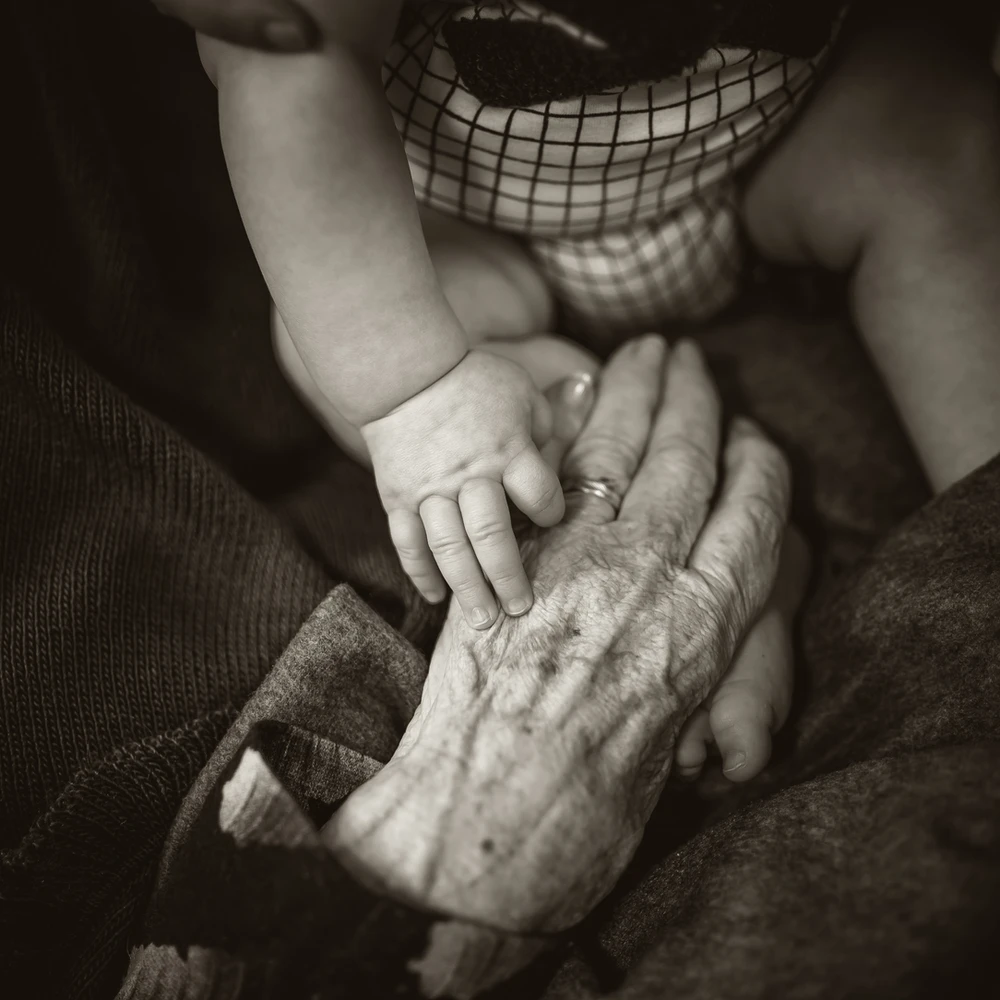
Receiving a dementia diagnosis can feel life-changing in an instant. One appointment can suddenly shift how you view your future, your health, your independence, and even your identity. You may leave that conversation overwhelmed, frightened, confused, or emotionally numb. Many people feel like they were given a diagnosis without a roadmap. If you have recently been diagnosed with dementia, it is important to understand this first: your life is not over. Dementia is a progres
I've Recently Been Diagnosed


Preparing for the Future
One of the greatest gifts you can give yourself and your loved ones is clarity. Dementia affects every person differently. Some individuals experience a slow progression over many years, while others notice changes more quickly. Because no one can predict exactly what the future will look like, making plans early allows you to make decisions with confidence rather than waiting until circumstances force decisions to be made under pressure. Where to Begin The first step is unde


What is Dementia?
Dementia is a broad term used to describe a range of cognitive impairments that affect an individual's ability to think, remember, and communicate. It is not a specific disease but rather a collection of symptoms that can be caused by various underlying conditions. Dementia can significantly impact daily life, affecting not only the individual diagnosed but also their families and caregivers. Symptoms may include memory loss, difficulty with problem-solving, and changes in mo


Coping with Fear After Diagnosis
Fear is one of the most common responses to a dementia diagnosis. The diagnosis often brings questions about independence, future care needs, relationships, finances, and life expectancy. These concerns are understandable. Dementia is a progressive condition, and it is natural to worry about how it may affect your future. The goal is not to eliminate fear entirely. Fear is a normal response to a serious diagnosis. The goal is to prevent fear from becoming so overwhelming that


Staying Independent Longer
One of the most common concerns after a dementia diagnosis is the possibility of losing independence. For many people, independence represents more than the ability to complete daily tasks. It is tied to identity, dignity, privacy, and the ability to make choices about one's own life. While no treatment can stop dementia entirely, there are practical steps that may help you maintain your abilities, adapt to changes, and remain independent for as long as possible. The goal is


Memory Tools That Help
Memory changes can be frustrating, but they do not mean you are out of options. While no tool can reverse dementia, many strategies can help reduce daily frustrations, improve organization, and support independence. The most effective memory tools are often the simplest. Rather than trying to strengthen memory itself, many approaches focus on reducing the need to rely on memory in the first place. Tools That Have Been Shown to Help External memory aids are among the most effe


Talking to Family About a Dementia Diagnosis
Most advice about discussing a dementia diagnosis sounds good until you actually have to do it. You'll hear things like "be honest," "be compassionate," and "communicate openly." None of that is wrong, but it also doesn't tell you what to do when your brother insists the doctor is wrong, your aunt starts crying, and your father with dementia is sitting ten feet away listening to the entire conversation. A productive conversation about dementia requires more than good intentio
Check back soon
Once posts are published, you’ll see them here.
Check back soon
Once posts are published, you’ll see them here.
My Loved One Was Diagnosed


My Loved One Was Diagnosed. Now What?
Finding out your loved one has dementia can feel earth-shattering. Suddenly all the plans that were made start to be questioned and the future starts to look different. You start thinking about signs you missed, asking if there was more that could have been done. While it may seem sudden and overwhelming, rest assured that it is not the end of the world; it is just the beginning of a new way to do things. A dementia diagnosis doesn’t change everything overnight. Dementia affe


Understanding Dementia Behaviors
When most people think of dementia, they think about memory loss. What often comes as a surprise is that dementia can affect far more than memory. It can change judgment, emotional regulation, decision-making, awareness, motivation, and even the way a person interprets the world around them. This can be incredibly difficult for families because some of these changes may seem completely out of character. These changes are not simply a normal part of aging, nor are they usually


How Dementia Changes Communication
Communication changes are often one of the first symptoms families notice after a dementia diagnosis. While memory loss tends to get the most attention, dementia can affect many parts of communication, including language, processing information, emotional regulation, and social interactions. Not every person will experience the same changes, and not every symptom appears at the same stage. Understanding what may happen can help you respond more effectively and reduce frustrat


Dementia-Proofing Your Home
Dementia affects millions worldwide, and one of the biggest challenges families face is creating a safe and secure environment for loved ones living with this condition. Wandering, confusion, and memory loss can turn everyday household items into hazards. Dementia-proofing your home means making thoughtful changes that protect against injury, prevent accidents, and reduce stress for both the person with dementia and their caregivers. This guide offers practical, detailed stra


Financial and Legal Planning in Dementia
Financial and legal planning is one of the most commonly delayed parts of dementia care. For many families, it feels uncomfortable to discuss. Your loved one may still be managing their own affairs, paying bills, driving, and carrying on normal conversations. Bringing up powers of attorney, wills, and future planning can feel unnecessary or even disrespectful. Unfortunately, waiting is often what creates problems. The best time to have these conversations is when your loved o


Knowing When More Help Is Needed
One of the most difficult decisions families face after a dementia diagnosis is recognizing when their loved one needs more support than they are currently receiving. Most caregivers do not wake up one morning and suddenly realize their loved one can no longer be left alone. Instead, they adapt little by little. They add reminders. They install door alarms. They call more often. They stop by the house a few extra times each week. They start helping with groceries, medications
Caregiver Training Videos

01:04:10

02:46

33:33

33:33

24:13

37:01

05:15

56:14

04:05

05:45

03:57

05:46

05:05
04:53

04:04

03:40
bottom of page