Dementia-Proofing Your Home
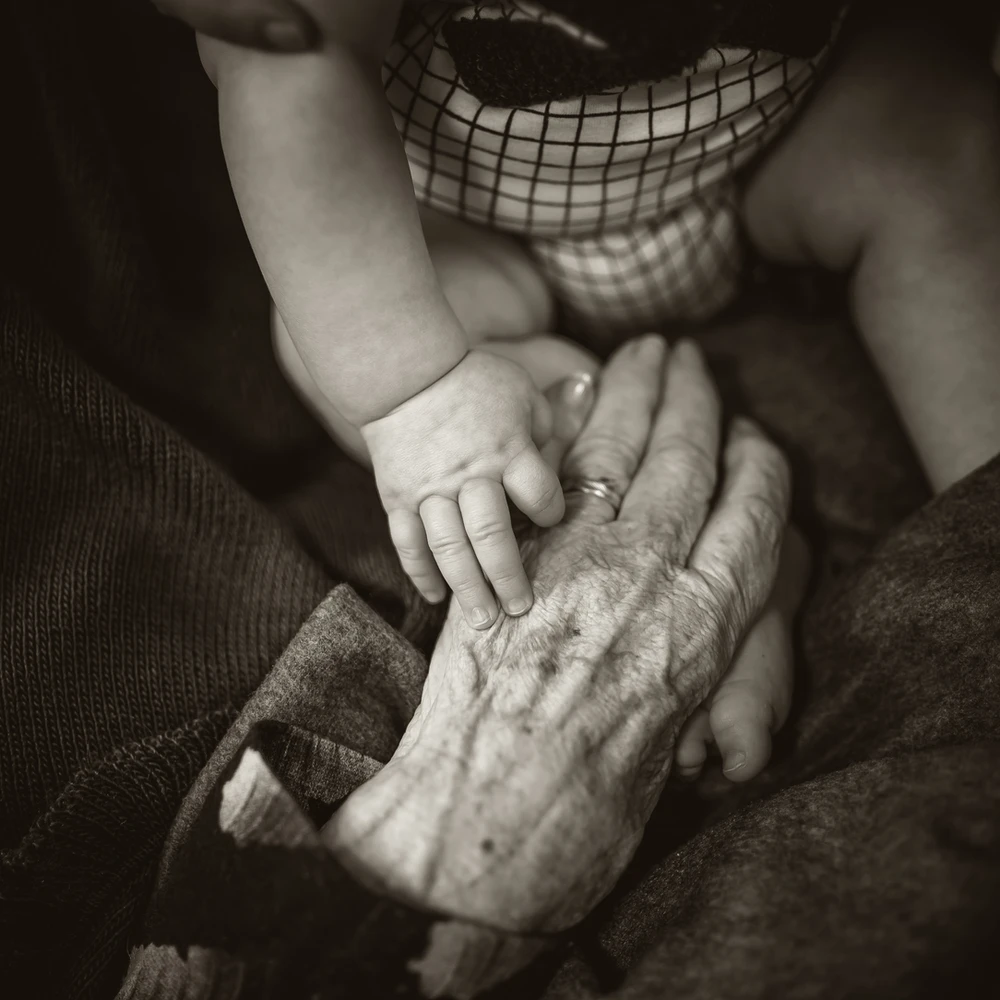
Dementia affects millions worldwide, and one of the biggest challenges families face is creating a safe and secure environment for loved ones living with this condition. Wandering, confusion, and memory loss can turn everyday household items into hazards. Dementia-proofing your home means making thoughtful changes that protect against injury, prevent accidents, and reduce stress for both the person with dementia and their caregivers. This guide offers practical, detailed strategies to keep your home safe, secure, and comfortable.
All products have been verified, reviewed, and chosen based on their usefulness. This post does not contain affiliate links, and the poster does not benefit from the purchase of these items.

Securing the Kitchen to Prevent Accidents
The kitchen is often the most dangerous room for someone with dementia. Sharp knives, hot surfaces, and appliances can cause serious injuries if left accessible.
Remove knives and dangerous utensils
One of the first things to remove in a home are the knives and utensils that can pose a risk, like scissors, skewers, or other sharp objects. In the early stages of dementia, it can be beneficial to swap out these items for safety-conscious replacements that allow independence, without the risk of injury.
Use stove knob covers or locks
Prevent accidental stove use by installing knob covers or locks. These devices make it difficult to turn on burners without assistance.
Label appliances clearly
Attach simple, easy-to-read labels with instructions on appliances like microwaves, ovens, and coffee makers. Use large fonts and clear language to reduce confusion.
Unplug small appliances when not in use
To avoid accidental activation, unplug toasters, kettles, and other small appliances after use.
Consider electric stove alternatives
If possible, replace gas stoves with electric ones that have automatic shut-off features for added safety.
Here are some items we have found to be rated well and can help prevent injuries.

This set provides serrated safety knives for multiple uses.

This set included 3 safety knives, and two chopper handles for things like lettuce, fruit, and vegetables.

This set of shears has a built in lock button to avoid unintentional opening and a blade sheath. They are also rounded to avoid poking, while still being capable of cutting shellfish and meat.

These are good for smaller stove knobs and prevent accidental bumps.

These knobs are clear, and reduce confusion while preventing accidents.
Preventing Wandering and Enhancing Security
Wandering is a common behavior in people with dementia and can lead to dangerous situations if the person leaves the home unnoticed.
Install secure locks and alarms
Use locks that are difficult to open from the inside, such as high locks or key locks, on doors and windows. Consider adding alarms that alert caregivers when doors are opened.
Use motion sensors and monitoring systems
Motion sensors placed near exits can notify caregivers if someone is trying to leave. Video monitoring systems can also provide peace of mind.
Create safe wandering paths indoors
Designate safe areas where the person can walk freely without risk. Remove obstacles and hazards from these paths like rugs or cords.
Use visual cues and signage
Place clear signs or pictures on doors to help the person recognize rooms and exits. This can reduce confusion and prevent accidental wandering.
Reducing Injury Risks Around the Home
Beyond the kitchen and exits, other areas of the home can pose risks that need attention.
Hide or lock away hazardous items
Store cleaning supplies, medications, and tools in locked cabinets. Use childproof locks if necessary.
Remove tripping hazards
Keep floors clear of clutter, secure loose rugs with non-slip pads, and ensure good lighting in all areas.
Install grab bars and handrails
Place grab bars in bathrooms and along stairways to provide support and prevent falls.
Use furniture with rounded edges
Replace or pad furniture with sharp corners to reduce injury risk during falls or bumps.
Organizing and Labeling for Clarity
Memory loss can make it difficult to remember the purpose of objects or how to use them safely. If you'd like a premade set of labels, you can download and print these dementia friendly labels.
Label cupboards and drawers
Use large, clear labels or pictures to identify the contents of cupboards and drawers. This helps reduce frustration and confusion.
Create simple instruction cards
Attach easy-to-follow instructions on appliances and devices. For example, a card on the microwave might say, “Press start to heat food.”
Use color coding
Color code items or areas to help the person distinguish between safe and unsafe zones or objects.
Managing Gas and Electrical Safety
Gas leaks and electrical hazards can be life-threatening if not properly managed.
Install gas detectors
Gas detectors alert caregivers to leaks early, preventing dangerous situations. Some can directly report to the fire department, or to your phone so you know right away if there is an emergency.
Turn off gas supply when not in use
If possible, turn off the gas supply at the main valve when the stove is not in use. If it is an option, an air fryer may be an easier safer way for your loved one to cook and allow the stove to remain off.
Use circuit breakers and safety plugs
Install circuit breakers that cut power automatically in case of overload. Use safety plugs on unused outlets.
Regular maintenance checks
Schedule regular inspections of gas appliances and electrical wiring to ensure everything is in safe working order.
Creating a Calm and Familiar Environment
A home that feels familiar and calming can reduce anxiety and agitation for someone with dementia.
Keep furniture and layout consistent
Avoid frequent rearrangements that can cause confusion.
Use soft lighting
Bright or flickering lights can be disturbing. Use soft, warm lighting to create a soothing atmosphere.
Display familiar objects and photos
Personal items and family photos can provide comfort and help with orientation. Keep it limited to a few, don't overwhelm with too many pictures or items.
Minimize noise and distractions
Reduce background noise from TVs or radios to help the person focus and feel secure.
The Important of Caregiver Safety
Caregivers play a crucial role in maintaining a safe environment.
Learn about dementia behaviors
Understanding common behaviors helps anticipate risks and respond effectively.
Establish routines
Consistent daily routines provide structure and reduce confusion.
Use communication techniques
Speak clearly, use simple sentences, and maintain eye contact to improve understanding.
Seek professional advice
Occupational therapists or dementia care specialists can offer personalized home safety assessments and recommendations.
More Support
When you're ready for the next step, check out Preparing for Caregiving for some more safety tips, or move onto Common Caregiver Problems.
Pardon our ads, they allow us to keep our site running and keep our helpful content free to access.


1 Comment