Preparing for Caregiving
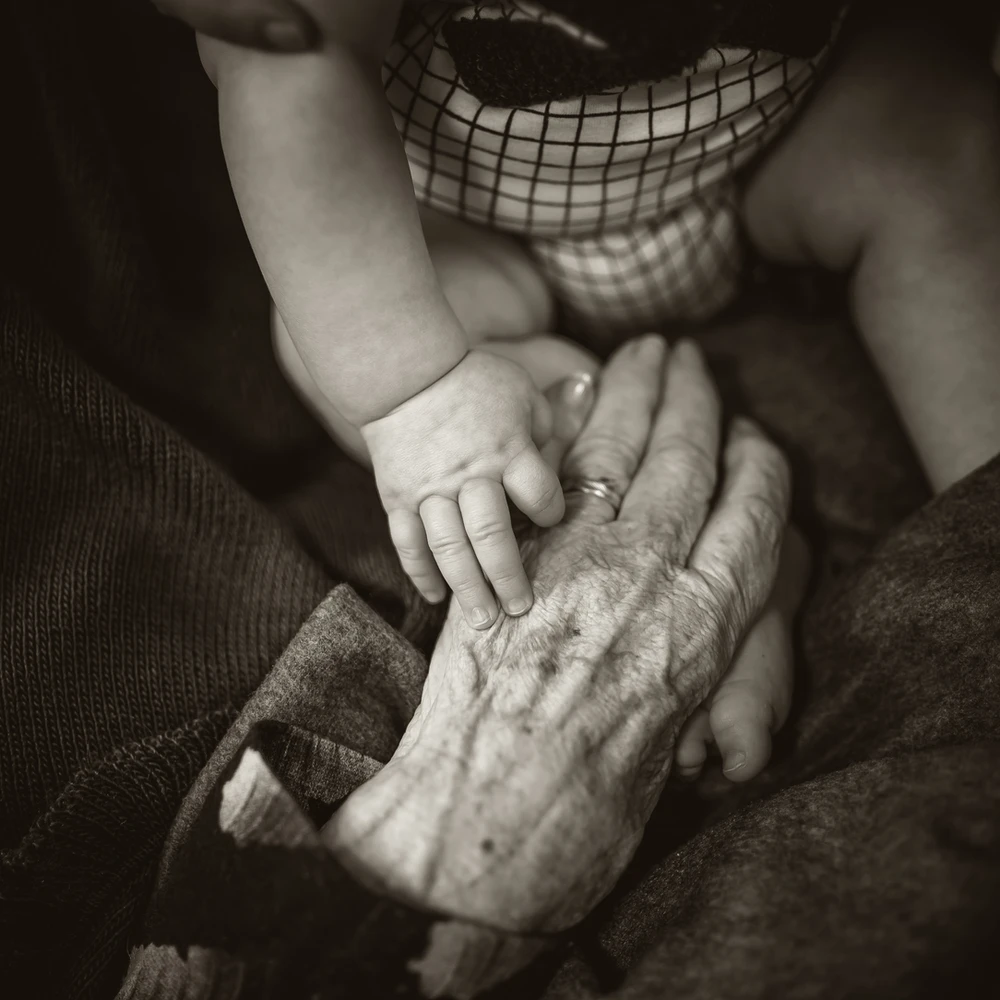
Whether it's your home or your loved one's home, minor changes to the layout can immensely improve your outcomes. Trips and falls are some of the most common injuries experienced by mobility limited individuals. In some cases, these seemingly minor incidents have caused severe injuries, and can result in a fatality. In this article we will go over some simple ways to make the home safer, as well as some suggested modifications.

Bathroom
The bathroom is the place where you are guaranteed to spend some time with your loved one. Even if they are mostly independent, making simple changes can greatly improve safety and prevent accidents.
Modification | |
Bathing |
|
Personal hygiene and grooming |
Dementia Specific: Keep hazardous items (mouthwash, razors, etc) in a locked/ separate location. |
Toileting and continence |
|
Dressing |
|

Bedroom
The bedroom should be a safe, calm environment that supports both independence and rest. Many accidents occur here during transitions, especially when getting in and out of bed or moving around at night. Thoughtful setup can significantly reduce risk.
Modification | |
Bed |
|
Nighttime Safety |
|
Mobility/ Fall Prevention |
|
Dressing/ Storage |
Dementia Specific: Use cabinet locks or place hazardous items like medication out of reach |
Kitchen
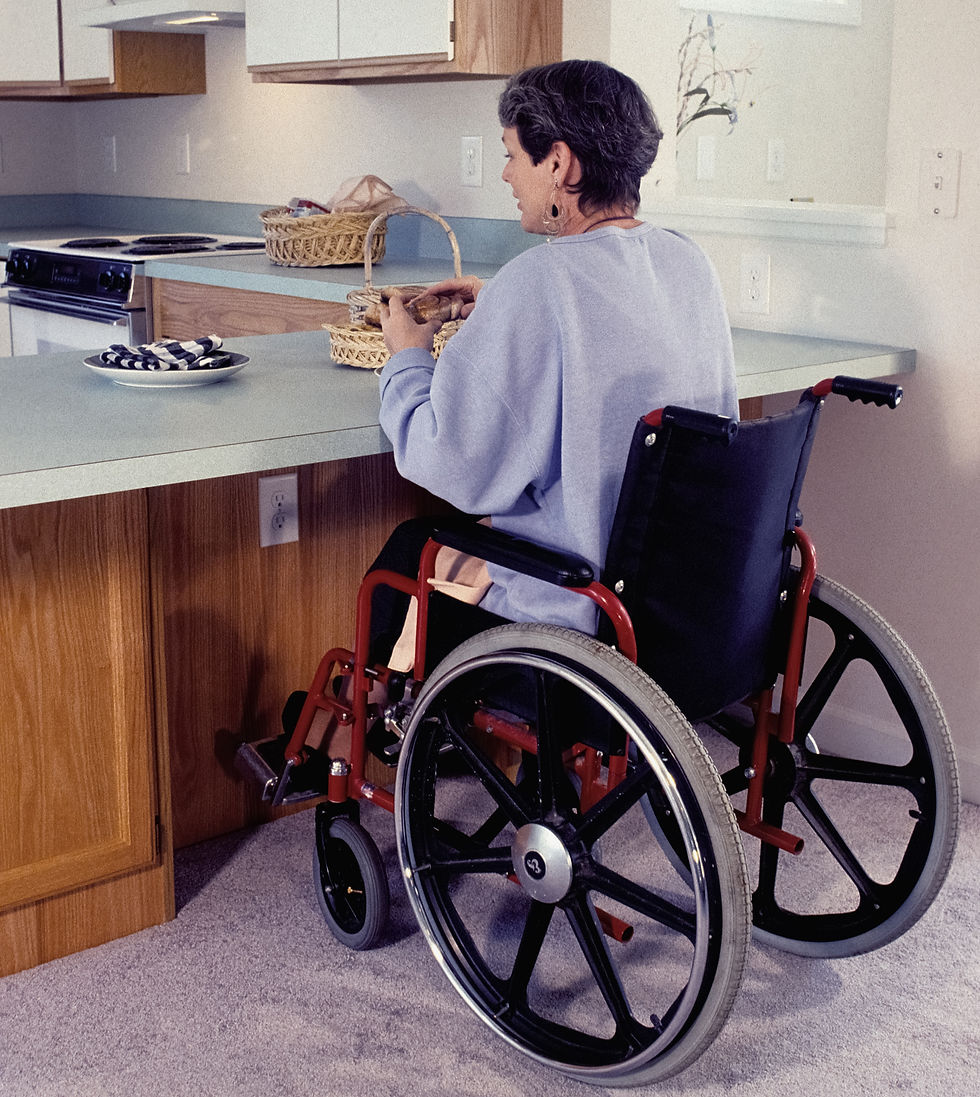
The kitchen is a high-use area where safety risks often come from cooking, reaching, and clutter. Simple organization and safer tools can reduce the chance of burns, cuts, and falls.
Modification | |
Bed |
|
Nighttime Safety |
|
Mobility/ Fall Prevention |
|
Dressing/ Storage |
Dementia Specific: Use cabinet locks or place hazardous items like medication out of reach |

Living Area
The living room is typically where most daily movement and relaxation happens. A safe layout here helps prevent trips, supports mobility, and encourages independence.
Modification | |
Furniture and Layout |
|
Seating |
|
Floor Safety |
|
Accessibility |
Dementia Specific: Avoid having the person stay on the top floor unsupervised if possible. Add baby gates with an additional lock if needed, as long as you do not restrict the movement of the person to necessary areas. |

Outdoor Areas
Outdoor spaces can present hidden hazards such as uneven surfaces, poor lighting, and clutter. Proper maintenance helps ensure safe entry and exit from the home.
Modification | |
Entryways |
|
Walkways and Paths |
|
Lighting and Visibility |
|
General Safety |
Dementia Specific: Lock away sharp garden tools, items, and pesticides. |
More Support
When you're ready for the next step, check out some other ways you can prepare your loved one's home for dementia or move onto common caregiver problems.
Pardon our ads, they allow us to keep our site running and keep our helpful content free to access.


Comments