The Reality of Home Hospice Care on Families
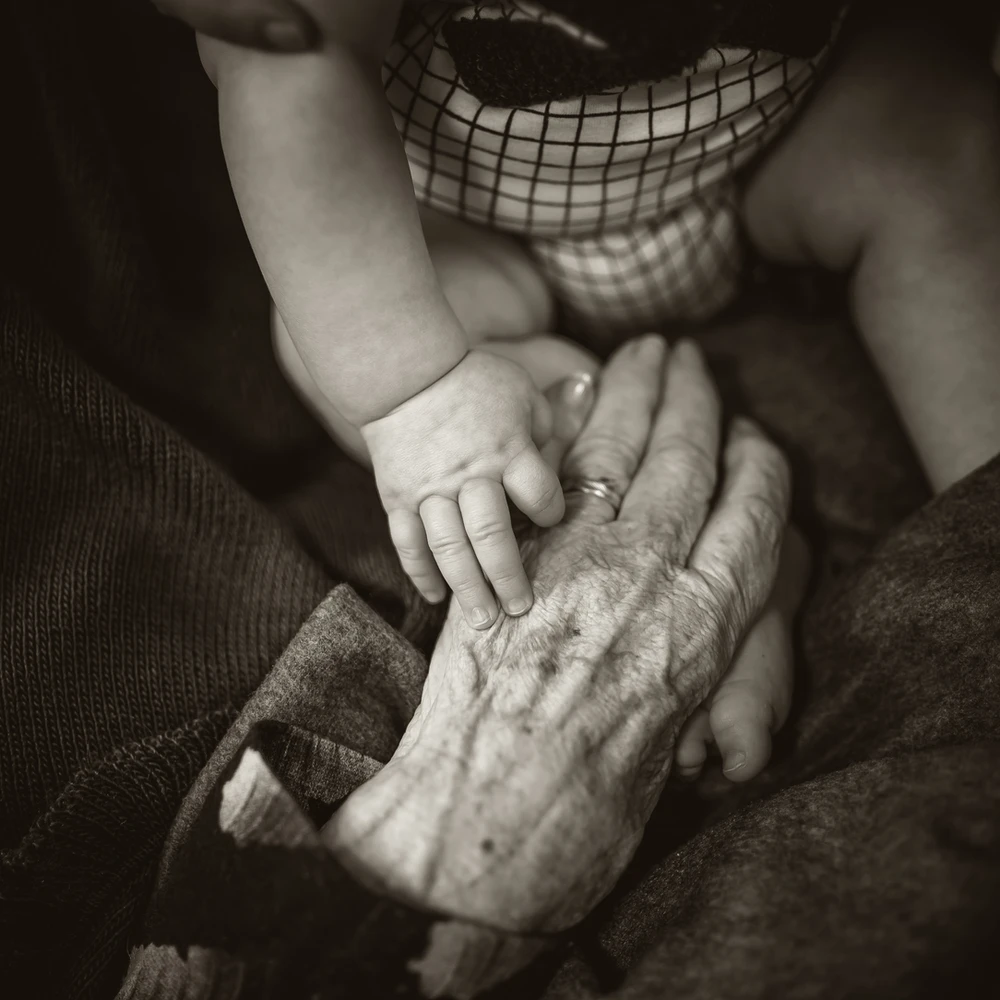
Hospice care often brings to mind images of nurses and medical staff providing constant, hands-on support around the clock. The truth is more complex, especially when hospice care happens at home. If you or someone you love is navigating this path, it’s important to understand what hospice care really looks like beyond the common assumptions. This post sheds light on the realities families face when hospice care takes place outside a facility, focusing on the role family members play and what to expect day to day.
What Hospice Care Means at Home
Hospice care is designed to provide comfort and support to people nearing the end of life. It focuses on managing pain and symptoms rather than curing illness. When hospice happens in a facility, professional staff are available 24/7. But at home, the situation is different. Nurses and hospice aides typically visit only once or twice a week. The rest of the time, family members become the primary caregivers.
This shift can be surprising and overwhelming. Suddenly, families find themselves responsible for tasks they may never have imagined, from medication management to monitoring breathing patterns. Hospice teams provide training and support, but the hands-on care is largely in the family’s hands.
The Unexpected Role of Family Caregivers
When hospice care is at home, family members often become the frontline caregivers. This role includes a variety of responsibilities that can feel daunting without medical training. Here are some of the key tasks families are asked to handle:
Administering medications on schedule, sometimes multiple times a day
Repositioning their loved one to prevent bedsores and improve comfort
Managing symptoms such as pain, nausea, or anxiety
Assisting with cleaning, bathroom changes, and other hygiene circumstances
Responding to changes in breathing, including irregular or labored breaths
Sitting vigil during the dying process, providing presence and comfort
Each of these tasks requires attention, patience, and sometimes quick decision-making. For example, if breathing changes suddenly, family members may need to call hospice staff or emergency services. This responsibility can be emotionally and physically exhausting.
Why Families Often Feel Unprepared
Hospice teams do their best to prepare families, but the reality of caregiving can still feel overwhelming. Many people expect hospice to mean professional care is always nearby. When that’s not the case, feelings of isolation, stress, and uncertainty can grow.
It’s common for families to underestimate the time and energy needed to provide care. Even simple tasks like repositioning a loved one can be physically demanding. Managing medications requires careful attention to timing and dosage, and missing a dose can cause discomfort or complications.
The emotional toll is significant too. Watching a loved one decline, managing symptoms, and sitting through the final hours can be heartbreaking. Families often juggle caregiving with other responsibilities like work and childcare, adding to the strain. Beyond that, there is no real time frame on how long this caretaking can be. Some hospice patients pass within days; others may be prolonged to months.
On average, a hospice patient lives around 6 months from when hospice begins. While this is great for time with your loved one, adjusting to be providing care for that length of time can be exhausting.
How Hospice Teams Support Families at Home
While family members provide most of the hands-on care, hospice teams remain a vital resource. Nurses, social workers, chaplains, and volunteers visit regularly to check on the patient’s condition and offer guidance. They provide training on how to perform care tasks safely and effectively.
Hospice staff also help families recognize signs that require medical attention and offer emotional support. They can arrange for equipment like hospital beds or oxygen tanks to make care easier. In some cases, hospice can provide respite care, giving family caregivers a break.
Communication is key. Families should feel comfortable reaching out to hospice staff whenever questions or concerns arise. This partnership helps reduce stress and ensures the patient’s comfort.
Practical Tips for Families Providing Hospice Care at Home
Taking on the role of caregiver is challenging, but there are ways to make it more manageable:
Create a care schedule to organize medication times, repositioning, and symptom checks. This helps avoid missed tasks and reduces stress.
Ask for help from other family members, friends, or volunteers. Sharing duties can lighten the load.
Use hospice resources like training sessions, equipment loans, and counseling services.
Take care of yourself by resting when possible, eating well, and seeking emotional support. Caregiver burnout is real and can affect your ability to provide care.
Keep a symptom journal to track changes and share with hospice staff. This helps identify when adjustments to care are needed.
Real Stories from Families
Sometimes the best examples, come from those who have lived it. These following stories are from real families, who went through the process.
Mark, a 62-year-old retired teacher, was diagnosed with late-stage lung cancer. His wife, Linda, had been his primary caregiver for several months. She was exhausted, emotionally drained, and overwhelmed with the round-the-clock care he required.
Hospice care provided respite for Linda, allowing her to sleep, take breaks, and reconnect with friends. “I didn’t realize how much I needed the help until I had it,” she said.
“I could finally just be Mark’s wife again, rather than his exhausted caregiver.”
(Source: Patriot Cares)
Ana had always said she wanted to pass in her home, surrounded by family, music, and prayer. When her cancer returned and treatment was no longer helping, her son Miguel helped bring her home and called hospice.
“We were scared,” Miguel admitted. “But hospice turned our house into a sacred space.”
Ana passed peacefully in her own bed, with soft Spanish guitar music playing and her children holding her hands. Hospice staff handled the medical needs with grace, allowing the family to simply be present and honor Ana’s final wishes. (Source: Bright Source Hospice)
“I was living alone in my Dallas home of 22 years,” Maggie explained, “when I got up from my chair one evening to go over to the couch. Between the chair and the couch, I fell." Maggie lay on the floor all night. In the morning, she was able to reach her family. She told them what happened and what she wanted. What she wanted was NOT to go to the hospital or another facility.
“I am so blessed that I can make my own decisions and don’t have to go where I don’t want to go. I will stay here with my daughter as long as she will have me. I have a living will. Kelly is my POA, and I am DNR,” states Maggie very matter-of-factly and with great confidence and peace.
“The best thing about having Mom on the hospice program is that it is allowing me to enjoy being her daughter thanks to the wonderful care our aides give Mom.” Kelly said.
Maggie is traveling her journey at end of life on her terms, surrounded by the things she enjoys, the people she loves, and still deeply and significantly influencing the lives of those around her. It is a peaceful, comfortable, dignified and joy-filled journey. (Source: Healthcare @ Home)
What to Expect as the Process Progresses
As the illness advances, care needs often increase. Families may find themselves spending more time assisting with daily activities and managing symptoms. Hospice staff will adjust the care plan as needed and can increase visits if the situation becomes more complex.
It’s important to recognize that the dying process can be unpredictable. Some days may be calm, while others bring rapid changes. Being prepared for this variability helps maintain some level of control, knowing that things will be unpredictable.
Final Thoughts on Hospice Care at Home
Hospice care at home offers the comfort of familiar surroundings and the presence of loved ones. But it also places significant responsibility on families. Understanding what to expect helps set realistic expectations and prepares caregivers for the journey ahead.
If you are stepping into this role, remember you are not alone. Hospice teams are there to support you, and reaching out for help is a sign of strength, not weakness. Taking care of yourself is just as important as caring for your loved one.
For free videos that show caregiving, check out The Hospice Care Plan on YouTube:
Pardon our ads, they allow us to keep our site running and keep our helpful content free to access.


Comments