The Process of Dying
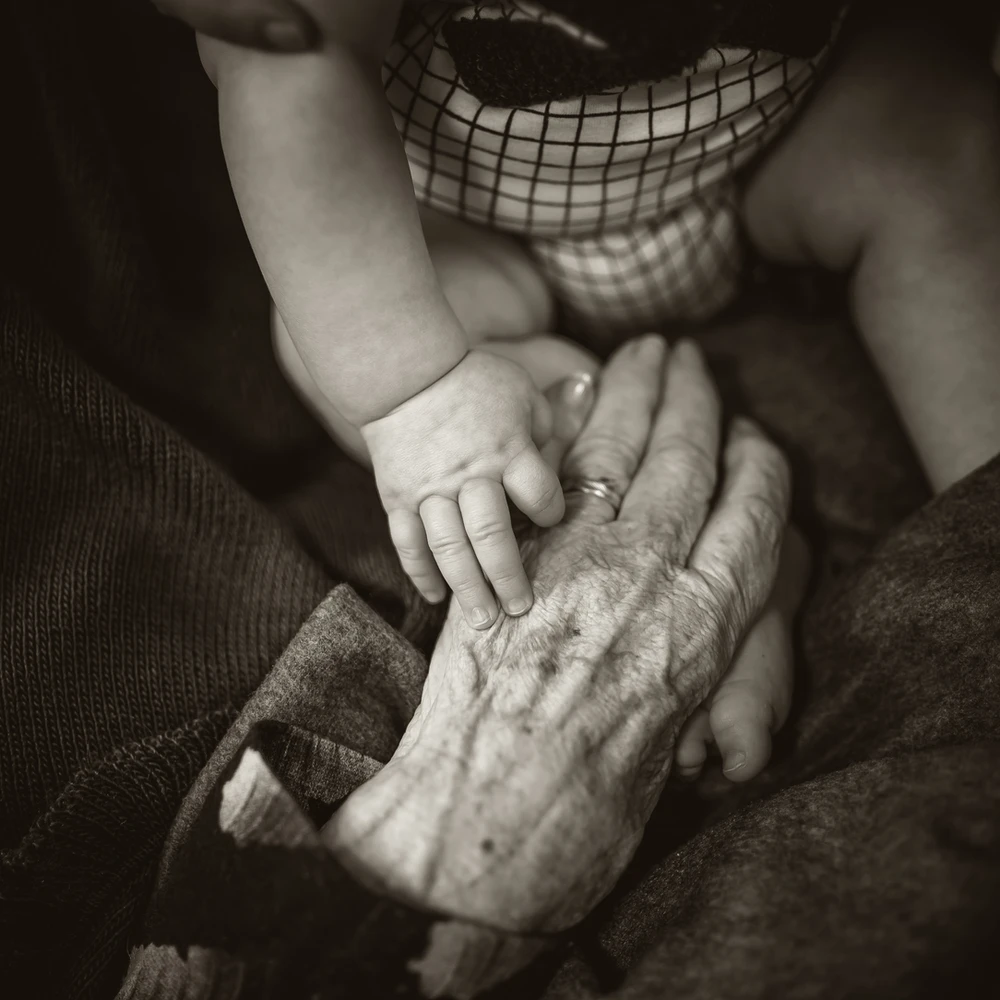
The process of dying is a significant and often misunderstood journey that every living being will eventually experience. While it is a natural part of life, the emotional, physical, and spiritual aspects of dying can be complex and deeply personal. Some people prefer to be informed, as a way to prepare themselves for the inevitable. If you relate to this, then this article is meant for you.
Gaining insight into what happens in the lead-up to death can demystify the experience and provide comfort to those facing it, either for themselves or for a loved one.
Understanding the Stages of Dying
The process of dying can be broken down into several stages, each marked by specific physical and emotional changes. These stages do not occur in a strict order, and personal experiences may vary widely.
Physical Changes
As the body begins to shut down, several physical changes may occur. These can include:
Decreased Appetite: One of the first signs that someone is nearing the end of life is a notable drop in appetite. Research shows that up to 85% of individuals nearing death significantly reduce their food intake. Digestion processes slow, and the energy required to digest food become more than the body can afford to expend. The body naturally starts to conserve energy, and food may simply lose its appeal.
It is important to note that while the lack of food might be upsetting or concerning for loved ones, it is a natural part of the process.
Force feeding, or attempting to feed a person who is preparing to pass can do more harm than good, and can cause issues like respiration, choking, or potentially causing pain.
Increased Fatigue: Many people may feel excessively tired, spending more time sleeping. For example, individuals may sleep up to 20 hours a day as their bodies prepare for the last stages of life. As the body conserves energy, movements become less and the person may not be as responsive when interacting. As time progresses, interaction and movement will cease on a conscious level.
There still may be involuntary movement that can be erratic or startling. The sudden body jerks are believed to occur due to the nerves dying off as circulation and energy expenditure are slowed.
Coolness of Extremities: With decreasing circulation, hands and feet may become cool to the touch, often accompanied by a pale or mottled skin appearance. In fact, 90% of people exhibit these symptoms as they approach death. Offering warm blankets or maintaining a warmer room temperature can provide comfort to the patient, as their extremities tend to become colder.
Changes in Breathing: Breathing patterns often change, becoming irregular or laborious. This phenomenon, known as Cheyne-Stokes respiration, can be distressing for family members but is a normal aspect of the dying process.
A process called agonal breathing is where breathing becomes more shallow, and can sound like gasping or heavy sighing. It can occur after periods of no breathing.
When a person is in the final stages of life, beyond the agonal breathing is something referred to as a "death rattle". While the name implies a rattling sound, it is actually more common to hear the person's breathing sound like gargling, due to the fluid accumulation in the mouth and throat that is unable to be swallowed as throat muscles weaken.
This breathing occurs within 24 hours of a person passing, and is one of the biggest indicators of a person nearing death.
These physical changes may seem unsettling; however, they are typically a natural part of the dying process.
Timeline of Body Changes Prior to Death
Days to Weeks Before Death
Decreased Appetite: The individual may lose interest in food and drink.
Increased Fatigue: Noticeable exhaustion and reduced energy levels.
Social Withdrawal: A tendency to isolate from family and friends.
Changes in Sleep Patterns: Increased sleep or difficulty in sleeping.
1 to 2 Weeks Before Death
Physical Weakness: Significant decline in strength and mobility.
Changes in Breathing: Irregular breathing patterns, including periods of apnea.
Altered Mental State: Confusion, agitation, or hallucinations may occur.
Skin Changes: Coolness and pallor, particularly in extremities.
Days Before Death
Decreased Urine Output: Less frequent urination as kidney function declines.
Changes in Circulation: Blood pressure drops, and the heart rate may become irregular.
Restlessness: Increased agitation or inability to stay still.
Changes in Consciousness: Increased periods of unresponsiveness or lethargy.
Hours to Minutes Before Death
Final Breaths: Breathing may become very shallow or stop altogether.
Loss of Consciousness: The individual may become completely unresponsive.
Cooling of the Body: The body temperature drops significantly.
Rigor Mortis: Muscles begin to stiffen after death occurs.
Emotional and Psychological Changes
Alongside physical changes, emotional and psychological shifts are also common. Individuals may experience a spectrum of emotions, including:
Acceptance: Many individuals find peace as they approach death. This acceptance often surfaces as meaningful conversations and closure with loved ones. Surveys indicate that about 60% of people nearing death express a sense of acceptance.
Fear and Anxiety: It is normal for individuals to feel fear or anxiety about dying. Data reveals that around 30% of individuals express concerns related to pain management, uncertainty about what lies ahead, or the impact on loved ones.
Withdrawal: Some may retreat from social interactions, focusing inwardly on their thoughts and feelings. It is important for family and friends to respect this personal choice.
Understanding these emotional responses can help caregivers provide the necessary support, empathy, and compassion during this challenging time.

The Role of Caregivers
Caregivers play a pivotal role in the dying process, offering both physical and emotional support. Key responsibilities may include:
Managing Pain and Discomfort: Ensuring the individual is as comfortable as possible is a primary concern. This may involve administering medications effectively or creating an environment conducive to relaxation.
Providing Emotional Support: Caregivers should be prepared to listen and offer comfort. Sometimes, simply being present can bring immense solace and reassurance to those who are struggling.
Facilitating Conversations: Encouraging open discussions about fears and wishes can help individuals feel more at ease. These conversations can often provide an opportunity for loved ones to express their thoughts and feelings.
Respecting Wishes: Honoring the individual's wishes related to their care and end-of-life decisions is crucial. For instance, a study found that when caregivers respected patients' end-of-life wishes, it led to a 50% increase in overall satisfaction for both patients and families.
It is essential for caregivers to also prioritize their well-being, as supporting someone through this journey can be emotionally taxing.
Spiritual Considerations
The process of dying is not just a physical occurrence but can also be a profound spiritual experience. Many seek comfort in their faith or spiritual beliefs, which can provide peace and understanding. Important elements include:
Rituals and Practices: Engaging in spiritual rituals like prayer or meditation can be soothing for both the individual and their loved ones. For instance, nearly 70% of individuals report that participating in spiritual rituals has helped calm their fears about dying.
Conversations About Beliefs: Discussing spiritual beliefs and the meaning of death can be an important part of the dying process. This dialogue can help individuals find closure and understanding.
Support from Spiritual Leaders: Many find comfort in reaching out to spiritual leaders or counselors who can offer guidance during this time.
Recognizing the spiritual dimensions of dying can help families traverse this complex journey with compassion and grace.
Preparing for the End
Preparation for the end of life can take various forms. It's essential to approach this topic with sensitivity. Key aspects include:
Advance Directives: Discussing advance directives and end-of-life wishes helps ensure that an individual’s preferences are respected. This may involve choices about medical interventions or palliative care options. Reports show that having such directives can reduce family stress by up to 40%.
For more information read What is a Living Will / Advanced Directive?
To put together your end of life wishes, also check out our Legal Document Bundle.
Legacy Planning: Many find comfort in creating a legacy through writing letters, recording messages, or sharing stories. This can provide a sense of continuity and connection, greatly impacting those left behind.
Creating a Peaceful Environment: Ensuring that individuals are in a comfortable and familiar setting can enhance their experience. Simple changes, like playing their favorite music or surrounding them with family photos, can make a significant difference.
Preparation can help ease some of the anxiety surrounding the dying process, allowing individuals and families to focus on what truly matters—loving and supporting each other.
Embracing the Journey
The process of dying is a deeply personal journey that encompasses physical, emotional, and spiritual dimensions. By understanding the stages of dying and the changes that occur, individuals and their families can approach this experience with greater awareness and compassion.
Although the subject may be uncomfortable, discussing dying openly can foster connection and understanding. Embracing this journey can lead to a more peaceful transition, allowing individuals to leave this world surrounded by love and support.
As we navigate the complexities of dying, it is vital to remember that each journey is unique. By providing care, empathy, and understanding, we honor the lives of those we love as they move through this final chapter.


Comments