College vs. Trade School: Which Makes More Sense?

If you've decided to continue your education after high school—or you're considering going back to school later in life you've likely come across two common options: a traditional college or a trade school.
Neither is automatically the better choice. The right decision depends on your career goals, your financial situation, and the type of work you see yourself doing long-term. Both paths can lead to stable, well-paying careers, but they differ significantly in cost, length of training, and day-to-day work.

What Is a Trade School?
Trade schools, sometimes called vocational or technical schools, prepare students for a specific career. Rather than spending time on general education courses, students focus almost entirely on learning the skills needed for their chosen profession.
Programs are typically shorter than a traditional college degree and emphasize hands-on training.
Common fields include:
Electrician
Plumber
HVAC technician
Welder
Automotive technician
Dental assistant
Medical assistant
Cosmetologist
Commercial truck driver
Veterinary technician
Many trade careers also require licensing or certification after completing training.
What Does College Offer?
Traditional colleges provide a broader education. In addition to courses related to your major, you'll usually complete general education requirements such as English, math, science, and history.
This broader approach prepares students for careers that require advanced knowledge, research, management, or professional licensing.
Many careers simply aren't possible without a college degree, including:
Registered nurse
Teacher
Accountant
Engineer
Social worker
Physical therapist
Pharmacist
Architect
Attorney
Physician
If your dream career requires a degree, the decision may already be made for you.
Time Commitment
One of the biggest differences between these options is how long they take. Many trade school programs can be completed in less than two years, with some lasting only a few months depending on the field.
A bachelor's degree generally requires about four years of full-time study, while graduate or professional degrees require additional years beyond that. If your goal is to enter the workforce as quickly as possible, a trade school may allow you to begin earning an income sooner.
Cost
Education is an investment, and cost matters. Trade schools are often less expensive because the programs are shorter and more specialized. Students also spend less time out of the workforce.
College tuition varies widely depending on whether you attend a community college, public university, or private institution. Housing, books, transportation, and other expenses can significantly increase the overall cost.
Regardless of which option you choose research the total cost beyond just tuition and understand how you plan to pay for it before enrolling.
Earning Potential
One common misconception is that college graduates always earn more than people in skilled trades. While many degree-required professions offer high salaries, skilled trades can also provide excellent earning potential.
Income depends on several factors, including:
Geographic location
Years of experience
Overtime opportunities
Union membership
Specializations
Self-employment or business ownership
Some tradespeople eventually earn more than individuals with bachelor's degrees, while some degree holders out-earn those in the trades. There is no universal answer.
Instead of focusing only on average salaries, research the earning potential for the specific career you're interested in. Also look at the realistic expectations of the types of jobs you are seeking.
Check into current active listings for the jobs and salaries you are aiming for and compare the requirements. Knowing what to expect in terms of physical labor, educational requirements, certifications, and the experience required can help narrow down the path that makes the most sense, for the least cost.
Daily Work Environment
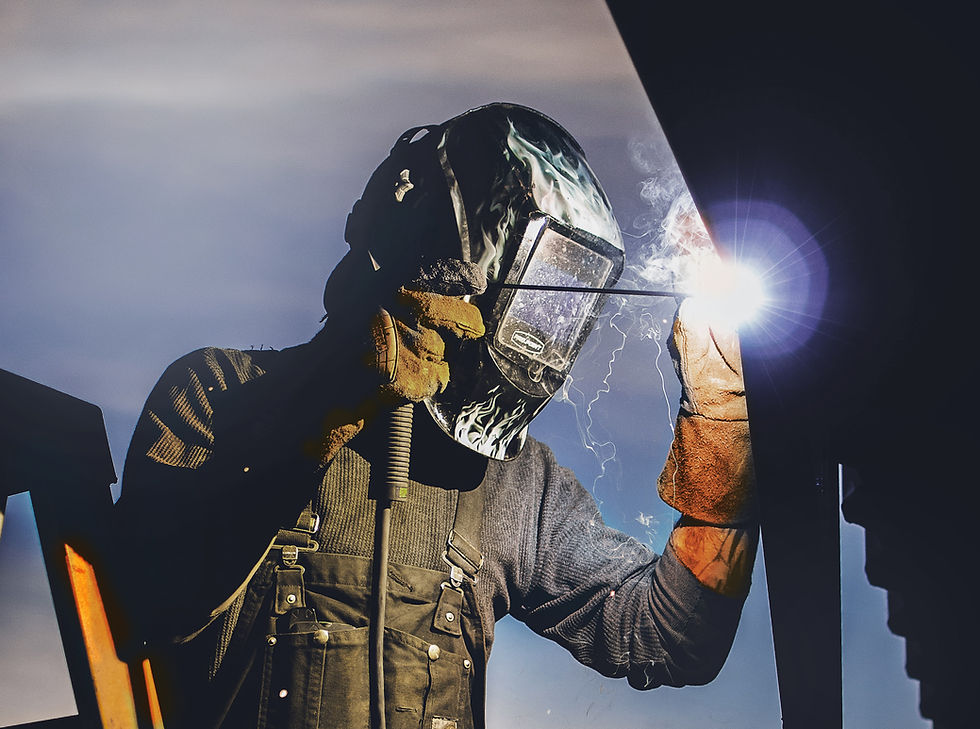
Salary is important, but so is the work itself. Many trade careers involve physical labor, working outdoors, operating equipment, or standing for long periods. Some jobs require working in heat, cold, confined spaces, or at varying job sites. They also often involve working in harsh conditions or handling potentially dangerous equipment. These roles tend to be less focused on customer-facing needs and instead focus on safety regulations to ensure jobs are both complete, and safe.
Many college-educated professions involve office environments, healthcare settings, classrooms, laboratories, or remote work. These roles tend to be more society-facing, with day-to-day customer interactions or responsibility over people. Some work may be redundant, sedentary, or repetitive. Ask yourself what kind of workday sounds appealing.
Would you rather solve hands-on problems and work with tools, or would you prefer analyzing information, meeting with clients, writing reports, or managing projects?
The answer can help narrow your decision.
Job Stability
Both college graduates and skilled trades workers are in demand, but demand varies by profession. Healthcare, education, skilled construction trades, information technology, manufacturing, and public safety continue to offer strong employment opportunities in many areas. Rather than assuming one path is more secure than the other, research the outlook for the specific occupation you're considering.
It can be helpful to check into which professions are in highest demand right now and projected for the future.
Advancement Opportunities
Career growth looks different depending on the field. With a college degree, advancement may involve moving into leadership, management, research, consulting, or specialized professional roles. In the trades, advancement often comes through gaining experience, earning additional certifications, becoming licensed, supervising crews, teaching apprentices, or eventually starting your own business.
Success isn't limited by the educational path you choose. It depends on your willingness to continue learning throughout your career.
Questions to Help You Decide
If you're still deciding between college and trade school, consider the following questions:
What career am I working toward?
Does that career require a degree?
Do I enjoy academic learning or hands-on work more?
How quickly do I want to begin working?
What level of student debt am I comfortable taking on?
What kind of work environment would I enjoy long-term?
Are there opportunities for advancement in this career?
The clearer your answers become, the easier your decision will be.
Final Thoughts
People often debate whether college or trade school is the smarter option, but the truth is that neither is universally better. The better choice is the one that prepares you for the career you actually want.
Choosing college simply because it's expected can leave you with unnecessary debt and a degree you never use. Choosing a trade because it's faster can leave you dissatisfied if the work doesn't match your interests or long-term goals.
College and trade school each provide valuable opportunities, but they serve different purposes. Understanding your career goals, learning style, financial situation, and preferred work environment will help you make a decision with confidence.
The most successful people aren't necessarily those who chose one path over the other; they're the ones who chose intentionally and committed to building their skills over time.
Up Next: If you're interested in learning a skilled profession while earning a paycheck, you may not have to choose between school and work at all. In the next article, we'll explore What Is an Apprenticeship?, how apprenticeships work, and why they can be an excellent alternative for many careers.
Pardon our ads, they allow us to keep our site running and keep our helpful content free to access.


Comments