What is Emotional Abuse?
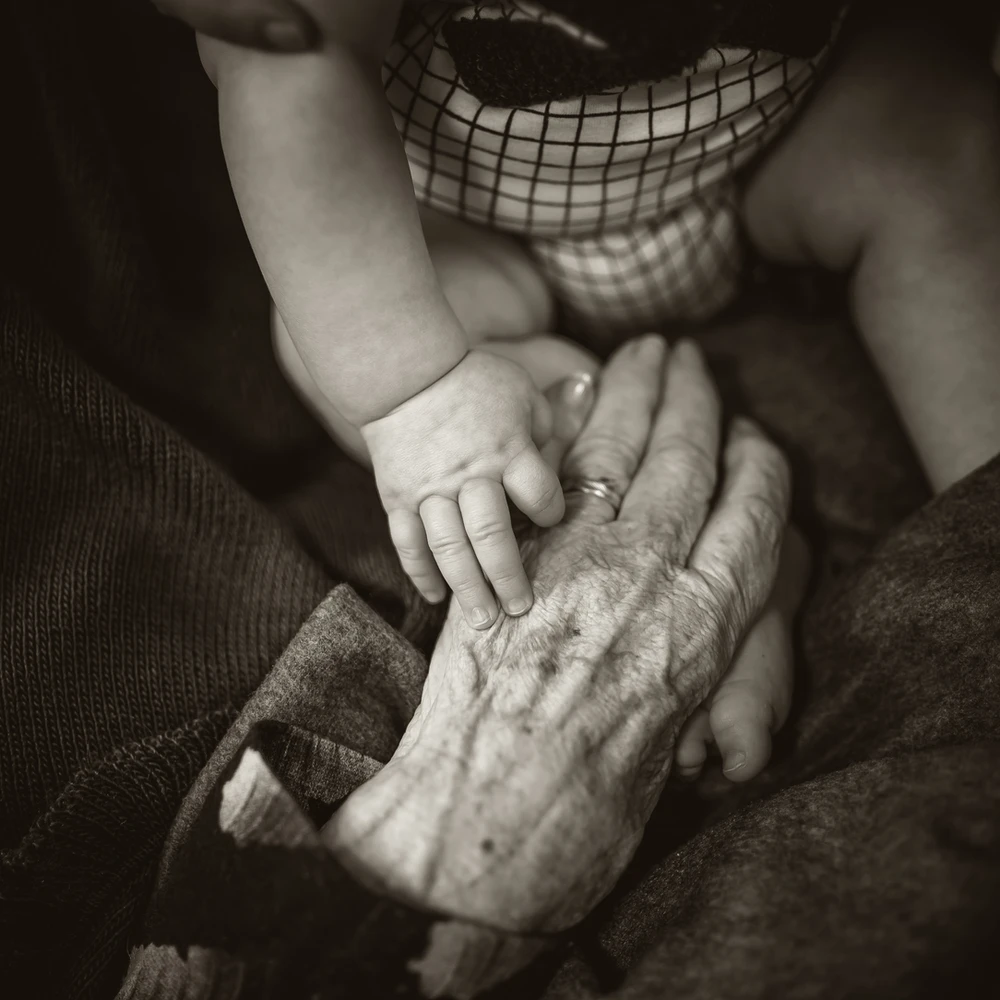
Emotional abuse can be difficult to recognize because it does not always leave visible injuries.
Unlike physical abuse, emotional abuse often involves words, behaviors, and patterns that slowly affect a person's confidence, sense of safety, and ability to trust their own feelings.
Everyone has disagreements. Everyone says things they regret sometimes. Emotional abuse is different because it involves repeated patterns of behavior used to control, intimidate, diminish, or harm another person.
Understanding emotional abuse can help people recognize unhealthy situations and make informed decisions about their relationships.

What Is Emotional Abuse?
When people hear the word abuse, they often picture something obvious. Someone screaming. Someone threatening another person. Someone throwing things across a room. Someone being physically violent.
Emotional abuse can look like all of those things. It can also be much quieter.
Sometimes it looks like a person who constantly criticizes you, controls where you go, questions who you talk to, or makes you feel guilty for having needs. Sometimes it looks like someone who never technically "does anything" that seems serious enough to explain to somebody else, yet somehow you are constantly anxious, walking on eggshells, second-guessing yourself, and trying to keep the peace.
That is one of the hardest parts of emotional abuse. It can happen so gradually that you adjust to it before you realize you have changed.
You start choosing your words carefully. You stop bringing up certain subjects. You cancel plans because you already know how they will react. You apologize just to end an argument.
Eventually, managing the other person's emotions becomes part of your everyday life.
This is one of the first signs of realizing you are experiencing emotional abuse.
In a healthy relationship, your partner may have reactions to disagreements or have strong emotions about them. However, a partner in a healthy relationship does not expect you to manage their emotions.
If you find yourself constantly having to cater to them to avoid emotional outbursts, or they blame you for "causing" their reactions, this relationship has progressing into unhealthy territory.
Emotional Abuse Is a Pattern
Every relationship has conflict. People get frustrated. People misunderstand each other. Someone says something stupid during an argument. Someone gets their feelings hurt. Couples can disagree and still have a healthy relationship.
Emotional abuse is about the pattern that develops around those moments.
Imagine telling your partner that something they did hurt you. In a healthy relationship, there is room for both people to talk. The conversation may be uncomfortable, but the other person can hear you, acknowledge their part, apologize, and make an effort to handle things differently.
In an emotionally abusive relationship, the conversation can become an attack on you instead. Suddenly you are too sensitive. You are dramatic. You are impossible to please. You are the one causing problems. The original issue disappears while you spend the next hour defending yourself.
Eventually, you learn that bringing up problems creates more problems.
So you stop.
Every time you pick up your phone to send a text to your mom, your partner rolls their eyes and lets out an exaggerated sigh. So you don't text.
You got a promotion at work that's going to increase your pay. Suddenly your partner wants you to switch to part-time to "be home with the kids more". So you decline the position.
When you go out in public and an attractive person walks by, your partner starts asking why you were looking. You weren't, you were looking at the store across the plaza. But it doesn't matter. So you start looking at the ground.
You start to adjust your behavior, to avoid the outcome of their.
Its not just about how they express their dissatisfaction; it abouts the changes you have to make to appease them.
That is how a pattern can take hold. The issue is no longer one bad argument. It becomes a relationship where one person's behavior repeatedly creates fear, humiliation, confusion, guilt, or emotional instability.
Overt and Covert Emotional Abuse
Some emotional abuse is painfully obvious.
Overt abuse is obvious. A person may regularly insult you, call you names, humiliate you, scream at you, threaten you, or deliberately frighten you. They may tell you that you are worthless, stupid, unattractive, incapable, or lucky that they tolerate you.
They may use anger as a weapon.
A person who punches walls, throws objects, destroys your belongings, slams doors, gets in your face, or blocks you from leaving a room is creating an intimidating environment. Physical violence does not have to occur for someone to use physical behavior to frighten or control you.
Threats can be just as direct. Someone may threaten to hurt you, themselves, your children, your pets, or your belongings. They may threaten to expose private information or ruin your reputation. They may repeatedly threaten to leave as a way of making you comply with what they want.
Public humiliation can be part of it too. A partner might make degrading comments about you in front of friends, tell embarrassing stories about you, mock your appearance, or deliberately reveal private information.
Then there is the kind of abuse that is much harder to explain.
Covert emotional abuse can happen through hundreds of small interactions. Your partner constantly makes little comments about your intelligence. They question your decisions. They make jokes about your appearance and accuse you of lacking a sense of humor when you are hurt. They compliment you while slipping in an insult.
"You actually look good today."
"You're surprisingly good at that."
"You'd be pretty if you took better care of yourself."
Over time, those comments can change the way you see yourself.
Covert abuse can also create emotional instability. Someone may be loving and attentive one day and cold and dismissive the next. They may give you affection when you do what they want and withdraw it when you disagree. They may ignore you until you apologize, even when you have done nothing wrong.
The house can be quiet. The relationship can look perfectly fine from the outside. Inside, you can be constantly monitoring the other person's mood and trying to figure out what version of them you are going to get.
Gaslighting, Manipulation, and Blame
Gaslighting is likely a phrase you've heard thrown around on TikTok as a buzzword. Unfortunately, this overuse and misidentification has made it hard to identify true situations of a person experiencing manipulation.
It is another form of emotional manipulation that can seriously damage someone's confidence in their own judgment.
You remember an argument. They insist it never happened.
You remember exactly what they said. They tell you that you misunderstood.
You bring up something that hurt you. They tell you that you are imagining things.
You point out a repeated behavior. They tell you that you are obsessed, jealous, dramatic, or unstable.
People can genuinely remember events differently. Gaslighting involves a repeated pattern of denying, distorting, or manipulating someone's perception in a way that causes them to doubt their own reality.
Eventually, you may start checking yourself before you check the other person.
"Maybe I am overreacting."
"Maybe I remembered it wrong."
"Maybe I really am too sensitive."
"Maybe this is all my fault."
Manipulation can also work through guilt and emotional punishment.
"If you loved me, you would do this."
"After everything I've done for you."
"You are really going to treat me this way?"
"Nobody else would put up with you."
These statements turn ordinary choices into emotional obligations. You may give in because you do not want to feel guilty. You may apologize when you are not sorry. You may agree to something because you are afraid of what will happen if you refuse.
Affection can become part of the same cycle. Someone may shower you with attention when things are going their way, then withdraw it when you challenge them. They may ignore you until you give them what they want. They may become loving again after you apologize or agree to their demands.
This can leave you spending more time trying to get back to the good version of the relationship than looking honestly at the relationship as a whole.
Control and Isolation
Control is often disguised as caring.
"Text me when you get there."
"Who is going to be there?"
"Why didn't you answer your phone?"
"Who is that person?"
"Why do you need to spend time with them?"
Questions can become demands, monitoring, and punishment. A controlling partner may expect immediate responses to every message, demand access to your phone, monitor your location, dictate what you wear, decide where you go, or control who you see.
They may also interfere with your employment, control your money, or make you financially dependent on them.
Eventually, you may stop making ordinary decisions because you already know you will have to answer for them.
Isolation can happen just as gradually.
It may begin with one person your partner dislikes. Your best friend is "a bad influence." Your sister "doesn't respect your relationship." Your parents "are always trying to control you." Your coworkers "are jealous."
An argument follows every time you spend time with someone else. Eventually, seeing people becomes exhausting, so you stop.
You may never consciously decide to cut everyone off. You simply start saying no to invitations because it is easier than dealing with the reaction afterward.
Then you have fewer people around you. Fewer people to talk to. Fewer outside perspectives.
Isolation can also become emotional. You may stop telling friends and family what is happening because you are embarrassed. You may defend your partner because you do not want anyone to know how bad things really are.
The silence makes the relationship harder to see clearly.
What Emotional Abuse Does Over Time
Emotional abuse changes more than the mood in a relationship. It can change the way a person sees themselves.
Someone who has been repeatedly criticized may stop trusting their abilities. Someone who has been constantly blamed may begin accepting responsibility for everything. Someone who has been isolated may become uncomfortable making decisions without their partner.
You may become anxious about ordinary conversations. You may rehearse what you are going to say before bringing something up. You may monitor someone's mood when they walk through the door. You may feel responsible for keeping the household peaceful.
You may start believing that being treated badly is something you somehow caused.
This is also where the good moments can make everything more confusing.
An abusive relationship can contain genuine happiness. You can laugh together. You can have wonderful memories. They can be generous, affectionate, funny, hardworking, or loving at certain times. You can remember exactly why you fell in love with them.
Those experiences can be real alongside the harmful behavior.
You may remember the early relationship, the apologies, the romantic weekends, the promises to change, or the moments when they seemed to finally understand. You hold onto those moments because you want that version of the person to stay.
Then the behavior happens again.
That cycle can keep people stuck for a very long time. The longer it continues, the more normal the behavior can begin to feel. You become focused on getting through the next argument, restoring the peace, and getting back to the good moments. It's a cycle because unlike many people's idea of abuse, it isn't constant. There are good times, which make it that much harder to leave. Because then its "Maybe I'm just overreacting. We didn't fight last night. If I just get through it, it'll be fine."
But it never is. It only gets more frequent, and worse.
Eventually, you may realize that you have spent so much energy managing the relationship that you barely recognize yourself inside it.
If you find yourself constantly questioning your memory, apologizing for things you did not do, hiding normal parts of your life, avoiding people you love, or changing your behavior to prevent someone else's reaction, take that seriously.
You do not need a single dramatic incident to justify paying attention to a pattern that is damaging your confidence, independence, or emotional safety.
Understanding Abuse and Supporting Someone
One of the most important things to understand about emotional abuse is that you do not have to prove what the other person intended before taking your experience seriously.
You can look at what is happening repeatedly and what it is doing to you.
A person can have a difficult past, struggle with anger, experience stress, or have their own problems and still be responsible for how they treat the people around them. An apology matters when it is followed by sustained change. Promises matter when behavior actually changes with them.
If someone you care about is experiencing emotional abuse, give them a place where they can speak honestly.
Listen. Take their concerns seriously. Let them talk without turning the conversation into an interrogation.
Questions like "Why do you stay?" or "Why don't you just leave?" can add shame to a situation that is already complicated. Love, children, finances, housing, fear, isolation, and years of shared life can all make leaving difficult.
Support means keeping the door open. You can tell someone that you are concerned, remind them that they deserve respect, and let them know you are available when they need help.
If threats, stalking, physical violence, or immediate safety concerns are involved, professional domestic violence support and safety planning can become especially important.
Need Support? If you're experiencing domestic abuse, you're not alone. Support is available, and you deserve to feel safe, respected, and valued. You can contact the National Domestic Violence Hotline at 1-800-799-7233, text START to 88788, or visit thehotline.org for confidential support and resources.
Final Thoughts
Emotional abuse is not always screaming, insults, and obvious intimidation.
Sometimes it is a constant stream of little comments. Sometimes it is the silent treatment. Sometimes it is control disguised as concern. Sometimes it is being made to feel guilty for having friends, opinions, boundaries, or needs.
Sometimes it is being told so many times that you are the problem that you eventually start believing it.
Pay attention to what happens repeatedly. Pay attention to who you have become inside the relationship. Pay attention to how much freedom, confidence, and peace you have lost while trying to keep someone else happy.
A relationship can contain love and still be harmful.
You can love someone and recognize that the way they treat you is damaging you.
You deserve relationships where you can speak, disagree, make decisions, maintain friendships, have boundaries, and exist as your own person.
That is not asking for too much.
Up Next: Control does not always stop with emotions. Money can become another tool used to create dependence, restrict choices, and make leaving feel impossible.
The next article looks at financial abuse, including controlling access to money, taking someone's income, creating debt in their name, sabotaging employment, and using financial dependence to maintain control.
Pardon our ads, they allow us to keep our site running and keep our helpful content free to access.


Comments