Knowing the Signs of Abuse in a Senior Living Community
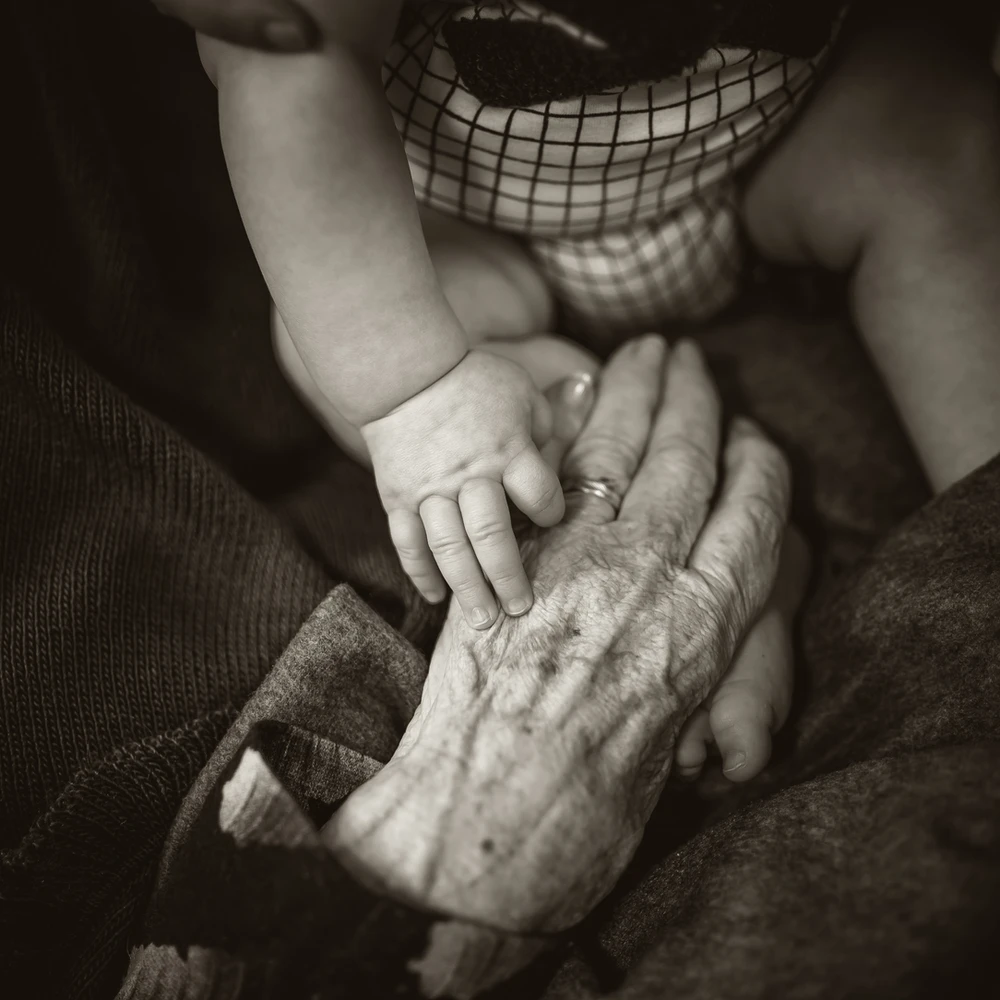
Recognizing signs of abuse in a senior living community is crucial for caregivers, family members, and concerned community members. Awareness of potential abuse is key to ensuring the safety and dignity of our loved ones. While senior living communities offer care and support, it's vital to remain vigilant and informed about the possible signs of abuse.
Understanding Senior Abuse
Senior abuse can take many forms, including physical, emotional, and financial abuse. It is essential to understand these categories in order to detect any warning signs. Abuse can happen in various settings, such as nursing homes, assisted living facilities, or even in one's own home.
Familiarize yourself with the various types of abuse and their implications. Physical abuse involves the infliction of pain or injury, emotional abuse harms an individual’s self-worth and confidence, while financial abuse involves the illegal or improper use of an elderly person's money or assets.

Key Warning Signs of Abuse
Awareness is the first step in preventing abuse. Here are some key warning signs to look out for:
Unexplained Injuries: Bruises, broken bones, or cuts that seem inconsistent with an individual’s ability or the explanation given may indicate abuse. Frequent hospital visits may signal ongoing issues.
Sudden Changes in Behavior: A drastic shift in an elderly person's demeanor, such as withdrawal from social activity, increased anxiety, or depression, could signal underlying abuse.
Fearfulness: If a senior appears fearful of certain staff members or refuses to participate in daily activities, something may be amiss. A constant state of anxiety around caregivers should not be dismissed.
Isolation: If a loved one becomes isolated from friends and family, this could indicate controlling behavior from caregivers or staff.
Changes in Financial Status: Sudden changes in financial status or the discovery of missing funds or valuables can also be a sign of financial abuse.
For an even deeper look into why abuse in nursing homes and senior living communities occur, and how to report it check out this comprehensive guide provided by Olson Personal Injury Lawyers. Click here to read more.
Encouraging Open Communication
It is essential to foster open lines of communication with seniors. Encourage them to express their feelings and experiences. Regular check-ins and conversations can provide insight into their wellbeing. Being proactive can help identify any issues before they escalate.
Ensuring a trusting environment includes being available to listen without judgment. Regularly visiting and spending quality time with seniors can strengthen these conversations, making it easier for them to confide any distressing situations.
When to Seek Help
If you suspect that a senior is being abused, it is crucial to take action. You can report your concerns to the management of the senior living community. Documenting any signs you have observed can be beneficial in addressing the situation.
If immediate danger is present, do not hesitate to contact law enforcement. In many cases, local adult protective services can provide further assistance and connect victims with resources. If you are seeking guidance on legal rights or navigating the situation, you may refer to a detailed legal guide for further support.

Being a Responsible Caregiver
Everyone involved in a senior's care has a responsibility to be proactive in preventing abuse. Caregivers, family members, and neighbors can play a vital role in safeguarding seniors by being observant and informed.
Educating yourself and others in the community about the signs of abuse and resources available empowers all parties involved. Share this information with others or even hold community discussions to raise awareness.
If you or someone you know is in need of help, do not hesitate to reach out to the proper authorities. For more information on how to navigate these complex situations, consider seeking additional resources such as the comprehensive legal guide available here.
Awareness is a collective responsibility. Keeping a keen eye on the signs of abuse can help protect our loved ones and ensure that senior living communities are places of care, respect, and dignity.


Comments