Grandparents Raising Grandchildren: The Unspoken Struggle
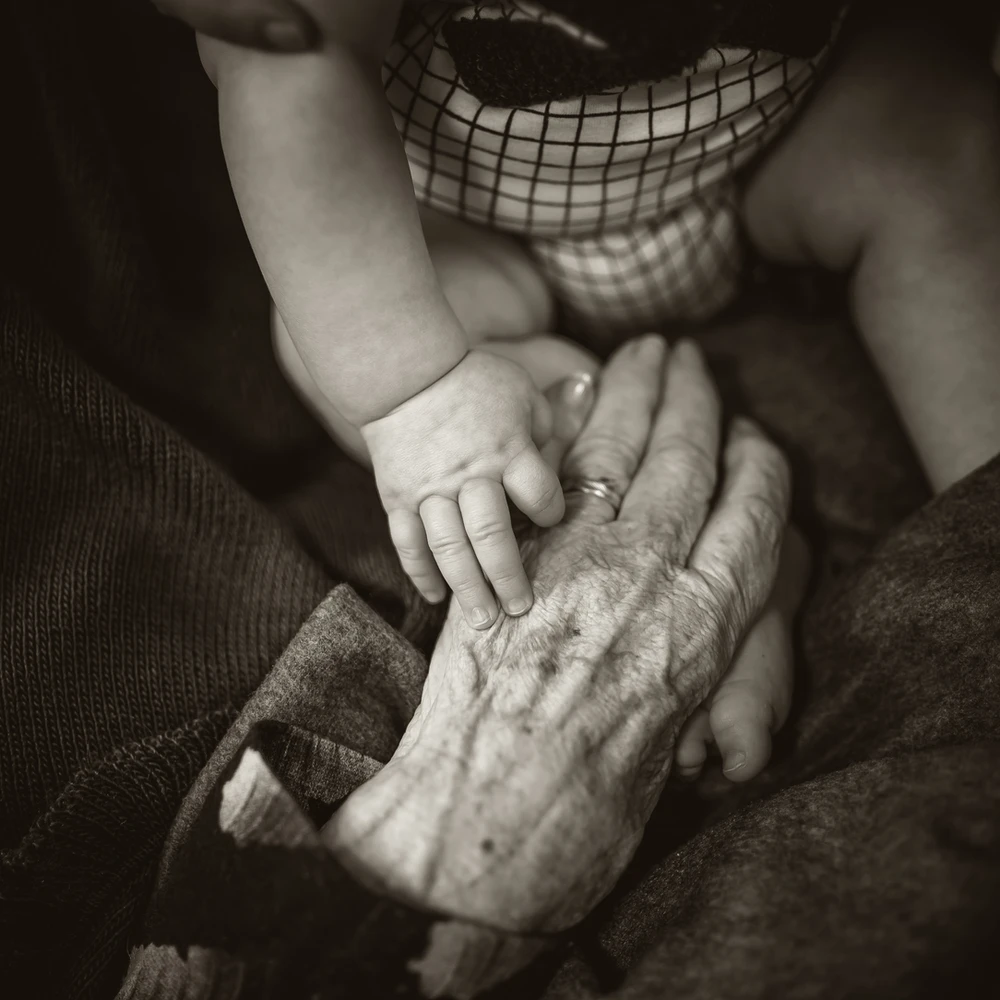
The number of adults over the age of 50 who are stepping into the role of primary caregivers for their grandchildren has grown significantly in recent years. This shift reflects broader social and economic changes, including parental substance abuse, incarceration, economic hardship, and family instability. While many grandparents embrace this responsibility with love and dedication, the reality of caregiving at an older age often brings complex challenges that affect physical health, emotional well-being, and financial stability.
Understanding these hurdles is essential to providing meaningful support to older caregivers. This post explores the rise in grandparent caregiving, the struggles these caregivers face, and practical solutions that can help ease their burden. It aims to offer compassion and guidance to those navigating this demanding role.
The Growing Trend of Older Adults Caring for Grandchildren
Recent data from the U.S. Census Bureau shows a steady increase in grandparents serving as primary caregivers. In 2021, approximately 7.8 million grandparents were responsible for their grandchildren, with a significant portion over the age of 50 (U.S. Census Bureau, 2022). This trend is not limited to the United States; similar patterns appear globally as families adapt to changing social dynamics.
Several factors contribute to this rise. The opioid crisis has left many children without stable parental care, while economic instability and incarceration rates have also played a role. Grandparents often become the safety net, providing a stable home and emotional support when parents cannot. While this caregiving role can be rewarding, it also places considerable strain on older adults who may already be managing their own health concerns.
Physical and Emotional Challenges Faced by Older Caregivers
Taking on the responsibility of raising grandchildren can be physically demanding. Older adults may face difficulties keeping up with the energy levels required for childcare, managing school activities, and maintaining household routines. Chronic health conditions common in this age group, such as arthritis, diabetes, or heart disease, can be exacerbated by the physical demands of caregiving.
Emotionally, grandparents often experience stress, anxiety, and feelings of isolation. The sudden shift from grandparent to primary caregiver can disrupt their retirement plans and social lives. Many report feelings of grief over the loss of their expected role and worry about the future of their grandchildren. The stigma associated with family challenges, such as parental substance abuse, can also lead to social withdrawal. A huge topic of concern, especially in cases where the biological parent(s) no longer has rights to the child(ren) is what will happen to the children when the grandparent passes away, or is physically unable to care for them. This concerning trend is often left without answers, as the grandparents tend to be the last line of defense preventing foster care.
Financial strain is another significant concern. Many grandparents live on fixed incomes and may struggle to cover the costs of food, clothing, education, and healthcare for additional family members. This financial pressure can lead to difficult choices and increased stress. The transition to technology focused learning like online homework and online courses also amplifies struggles, as parenting is significantly different than it was in previous generations. Older adults often lag behind in new technology, and this barrier can affect both the carer and the children. This all compounds into stress and this increased stress, along with the additional physical strain, has led to an uptick in child abuse cases.
Research has shown that various stressors, including financial strain, contribute to an increase in child abuse. A study published in the American Psychological Association journal highlights that elevated levels of stress in caregivers can lead to a higher incidence of abusive behaviors towards children. The findings indicate that as stressors accumulate, the likelihood of neglect and abuse increases significantly. This correlation underscores the importance of addressing the underlying stress factors to mitigate the risk of child maltreatment.

Practical Solutions to Support Older Caregivers
Addressing the challenges faced by grandparents raising grandchildren requires a multi-faceted approach. Access to resources and community support can make a significant difference.
One effective solution is connecting caregivers with parenting classes designed specifically for grandparents. These classes provide updated information on child development, discipline strategies, and navigating school systems. They also offer a space to share experiences and reduce feelings of isolation. Organizations such as the National Council on Aging (NCOA) and local community centers often provide these programs.
The NCOA website Grand Connection is a great resource for parenting classes and can be found here.
Caregiver support groups are another valuable resource. These groups create a network of peers who understand the unique challenges of grandparent caregiving. Sharing stories and advice can alleviate stress and build resilience. Many groups meet in person or online, making them accessible regardless of location.
24/7 Parent Stress Hotline: 1-800-632-8188 https://parentshelpingparents.org/
A website dedicated to grandparents as caretakers: https://www.grandfamilies.org/
Healthcare providers also play a crucial role. Regular check-ups can help grandparents manage their own health while caregiving. Mental health professionals can offer counseling to address stress, anxiety, or depression related to caregiving responsibilities. Self-care is incredibly important. Without the mental strength and physical health, additional problems can arise. It's very important to take time away for themselves, even if briefly. Setting routines and keeping a consistent schedule can help alleviate some of the stress. By providing blocked out times where the children are occupied or sleeping, there is room to carve out some personal time.
When things seem overwhelming, and help doesn't seem within reach, there are always knowledgeable individuals who share information freely on platforms like YouTube, such as this one:
Older adults who care for their grandchildren face a unique set of challenges that require compassion, understanding, and practical support. Recognizing the physical, emotional, and financial demands of this role is the first step toward creating effective solutions. Connecting with parenting classes, caregiver support groups, and community resources can empower grandparents to provide loving care without sacrificing their own well-being. If you or someone you know is navigating this path, reaching out to local organizations and healthcare providers can open doors to valuable assistance and relief.
Pardon our ads, they allow us to keep our site running and keep our helpful content free to access.


Comments