Dementia and Grief: The Caregiver Experience
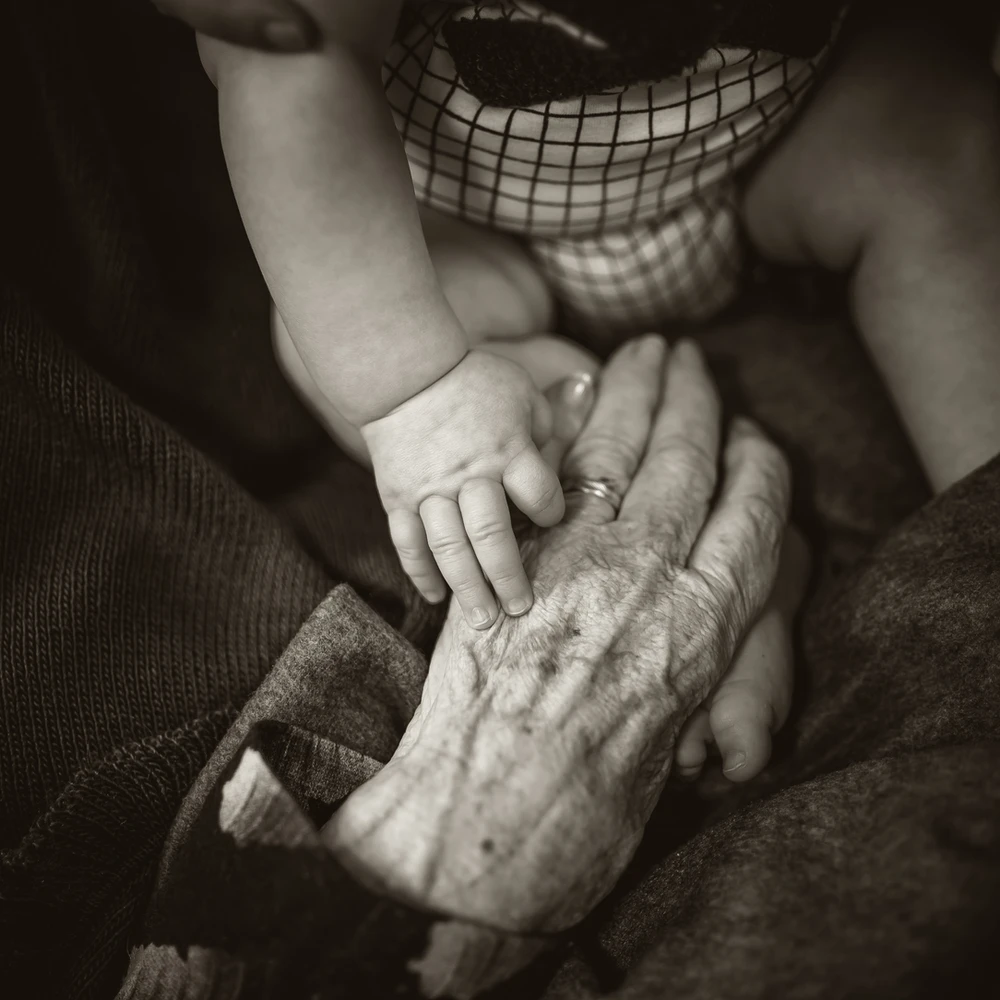
Caring for someone with dementia is a journey that can be both rewarding and heartbreaking. As caregivers, whether we are family members, friends, clinical staff, or volunteers, we often form deep emotional bonds with those we care for. But when a person we have cared for passes away, we can experience profound grief. This blog post explores the complex relationship between dementia, grief, and the role of the caregiver, offering empathy, understanding, and practical advice to navigate these tough waters.
Understanding Grief in the Context of Dementia
Grief can manifest in various forms, especially when we lose someone who has been a significant part of our lives, even if their perceptions changed over time due to dementia. Unlike traditional grief, which often reacts to the death of a loved one in the present, grief for caregivers may begin long before the person actually passes away. As we observe their gradual decline, a unique, anticipatory grief often emerges.

Research shows that caregivers can experience complicated grief, particularly after caring for someone with a degenerative condition like dementia. Studies indicate that nearly one-third of caregivers report feelings of depression, anxiety, and long-term grief following the loss of a loved one.
The Emotional Toll of Caregiving
Caregiving can be an exhausting role. When caring for a person with dementia, emotional fatigue, physically intensive responsibilities, and the stress of decision-making can all take a toll. Caregivers may have felt the thrill of success when the individual recognizes them or communicates effectively. However, we also witness the heartbreaking moments—lost memories, confusion, anger, or withdrawal.
The bond formed gives rise to a strong sense of identity in the caregiver role, which makes loss particularly difficult. This loss does not only relate to the death of the person but also encompasses the loss of the caregiver’s identity and purpose. It's essential to honor those feelings and provide space for them.
Coping Strategies for Caregivers
Finding ways to cope can ease the burden of grief. Here are some actionable strategies that caregivers can adopt:
Open Up: Talk about your feelings with family, friends, or support groups. You can process your grief through shared experiences. It's okay to seek out those who understand the weight of this loss.
Seek Professional Help: Therapy or counseling can provide you with strategies to cope. A professional can help you work through your feelings of grief and loss.
Create a Memory Book: Document your experiences. Photos, stories, and milestones can be healing and provide a tangible way to remember the individual.
Practice Self-Care: Taking care of yourself is crucial. Ensure you are getting enough rest, engaging in activities you love, and giving yourself grace during tough times.
Consider Support Groups: Connecting with others who have had similar experiences can be comforting. Many organizations provide online or in-person support.

Finding Meaning in Loss
Loss can often lead to a search for meaning. Several caregivers report that engaging in volunteer work or advocacy—even using their experience to help others—provides a sense of purpose. You may find it healing to participate in or initiate initiatives that raise awareness about dementia care or support groups.
Establishing rituals can also honor the memory of the loved one. This could range from lighting a candle during difficult times to having a dedicated time each week to reflect fondly on who they were and the moments you shared.
Supporting Caregivers: A Collective Responsibility
Understanding the depth of grief experienced by caregivers is crucial for anyone involved in dementia care. Families and healthcare providers must recognize and address the emotional toll on those providing care. Supportive measures, such as offering breaks or respite services, can alleviate some burdens.
Informational resources can help family members and caregivers understand what to expect in dementia journeys, helping prepare them emotionally for the transition of this experience.

Embracing the Journey Forward
As caregivers, we need to understand that grief is a multifaceted and deeply personal experience. While the journey may feel isolating, it’s essential to remind ourselves that we are not alone. The path of caregiving may have its heartaches, but it’s also marked with moments of joy and connection that should be cherished.
Be gentle with yourself as you navigate through the complex landscape of grief. Accept that it is normal to experience a range of emotions, and allow yourself the space to feel. Remember, healing looks different for everyone.
Grief does not have a fixed timeline, and there’s no right or wrong way to navigate it. Embrace the memories, seek community, and use the lessons learned from your time as a caregiver to live fully. It’s part of honoring the legacy of those you’ve cared for, affirming that their memory will continue to inspire and shape you.
In your journey, seek resources like support groups and reading materials if necessary. For further information, check out Caregiver Action Network for comprehensive support resources for caregivers, filtered by role and condition your loved one faces.
Navigating grief and loss as a caregiver is challenging. Yet, by employing practical strategies, seeking support, and fostering community connections, caregivers can find ways to honor their loved ones and continue their journeys with purpose and resilience.


Comments