How to Read Food Labels

Food labels contain a lot of information, and it is easy to look at one number and assume you know what you are buying. A package may say it has 100 calories, for example, but that number may apply to only one serving when the package contains several servings.
It may seem straightforward, but many of us were never taught, or even introduced to the idea of reading nutrition labels. Learning what the different parts of a food label mean can help you compare products and understand what you are actually eating.
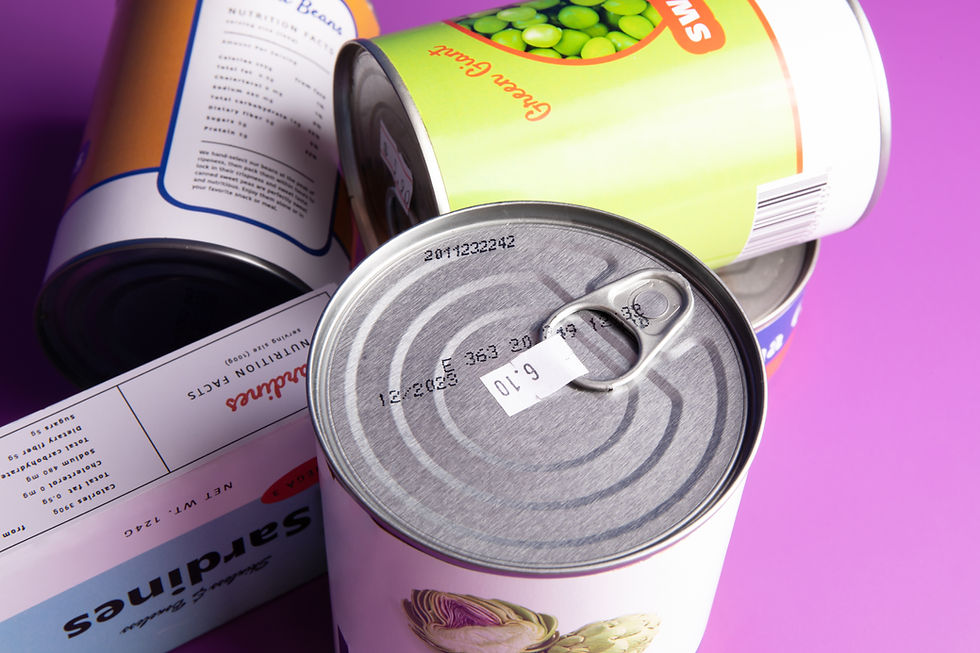
Start With the Serving Size
The serving size is one of the first things to check.
Nutrition information is generally listed based on the serving size shown on the label. The serving size is not necessarily the amount you should eat. It is the reference amount used for the nutrition information.
For example, suppose a package contains two servings and the label says:
Nutrition | Per serving |
Calories | 200 |
Protein | 8g |
Carbohydrates | 25g |
Total fat | 7g |
If you eat the entire package, you have eaten two servings. That means you would consume 400 calories, 16 grams of protein, 50 grams of carbohydrates, and 14 grams of fat.
Some packages are labeled as one serving even though they are large enough to share. Check the serving information rather than assuming the entire package represents one serving. An example of this is a very common staple, instant ramen.

As we can see with this Maruchan Instant Ramen, one packet is the equivalent of 2 servings. Eating the entire packet substantially changes the nutrition intake, especially for sodium.
If you consume more than one packet of ramen per day, you've already exceeded the recommended sodium level of 2300mg. Knowing how many servings is important in a balanced diet.
Look at the Calories and Nutrients
Once you know how many servings you are eating, look at the nutrition information.
Calories tell you how much energy the food provide.
Most adults are suggested to have a 2,000-calorie intake, however this is not the same for everybody. To find your caloric need, check out American Cancer Society Calorie Calculator.
The label also lists nutrients such as total fat, saturated fat, cholesterol, sodium, carbohydrates, dietary fiber, total sugars, added sugars, and protein.
The amount of each nutrient is usually listed in grams or milligrams.
You may also see a percentage called the Daily Value, or %DV.
The %DV is based on established daily reference amounts and can help you compare foods. It is not a personalized recommendation for exactly how much of each nutrient you should consume.
To determine your specific dietary Daily Value needs, check out the USDA Daily Reference Intake Calculator.
For example, if one frozen meal has substantially more sodium per serving than another similar meal, the labels give you a way to see that difference.
Pay particular attention to the serving size when comparing products.
Comparing 1 cup of one product with ½ cup of another can make the numbers appear more favorable than they really are, and if an item is 1 cup for 200 calories, but the 1/2 cup is also 200 calories, item one will give you more food for the same calories.
Pay Attention to Added Sugars and Sodium
Two numbers that are particularly useful to notice are added sugars and sodium.
Total sugars include sugars naturally present in foods as well as sugars added during processing. Added sugars are listed separately on the Nutrition Facts label.
For example, fruit contains naturally occurring sugar, while a sweetened cereal may contain both naturally occurring and added sugars.
Additionally, artificial sweeteners may be assessed differently or assessed as "net carbs" which are undigestible carbs, that are thought to reduce blood sugar spikes, but come with their own risks.
Sodium is another nutrient worth checking, particularly when comparing packaged meals, canned foods, sauces, snacks, and processed meats.
Two products that look similar can have very different amounts of sodium.
Both of these nutrients have been linked to increase risk to physical health and are healthy in moderation (and are a necessity so don't restrict them entirely!) but should not exceed your suggested recommended limit.
Read the Ingredient List
The Nutrition Facts panel tells you about the amounts of certain nutrients.
The ingredient list tells you what the product is made from.
Ingredients are generally listed in descending order by weight. The ingredients present in the greatest amounts appear earlier in the list.
If you are trying to identify a particular ingredient, check the list rather than relying only on the front of the package.
Ingredient lists can also be useful when you need to avoid something because of an allergy, intolerance, dietary restriction, or personal preference. Look for the ingredient itself as well as names that may represent it.
If you have a serious food allergy, do not rely on guesswork. Read the full label and pay attention to the manufacturer's allergen statements and any warnings about potential cross-contact. If you cannot find the information you are looking for companies will usually have a designated phone number or website to contact them. This might be necessary with multipacks items that are not labeled for individual sale. This just means the larger package has nutrition facts, but the individual pouches or packs may not have nutrition labels.
Food labels can also change when a manufacturer changes a recipe, so check the label on the product you are actually purchasing rather than assuming it is identical to one you bought previously.
Compare Products Instead of Packaging
The front of a package is designed to attract your attention. Words such as "natural," "light," "multigrain," "high protein," or "reduced" can tell you something about the product, but more often than not they are buzzwords.
For example, a company might have a big, bold label stating, "No Seed Oils!", on a pack of carrots. Of course, carrots don't have seed oil, but food scare tactics are often used for marketing to drive up sales on items based on what people are trying to avoid.
If you are comparing two products, turn them around and compare the actual information.
For example:
What to compare | Product A | Product B |
Serving size | 1 cup | 1 cup |
Calories | 220 | 190 |
Protein | 7g | 10g |
Fiber | 2g | 5g |
Added sugar | 8g | 3g |
Sodium | 600mg | 420mg |
The better choice depends on what you are looking for. The point of reading the labels is to give you enough information to make that comparison yourself.
Additionally, compare ingredients to know what you are really getting for your money. For example, we have Pearl Milling Company syrup. We also have Golden Blossom Maple Syrup.

As you can see, the ingredient list for this product is lengthy. The first listed item is corn syrup, which means it is a majority of the ratio in the product.
Following that is high fructose corn syrup (meaning more fructose sugars). This product does not contain any actual syrup.

Alternatively. with the Golden Blossom product there is one single ingredient: Organic maple syrup.
The serving sizes are identical: 2 tbsp
The calories are identical: 100 calories
The carbs are close: 27g and 26g
And yet the nutritional outcome of where the calories and carbs originate differ substantially. Natural syrup tends to digest better and have a less inflammatory outcome.
The ingredients are important, as is the nutrition, but it's also important to compare price.
If two products have similar nutrition information, you may end up buying the lesser expensive one even if the ingredients are not preferred.
The goal is to be able to make informed decisions, especially when prices are similar.
Final Thoughts
When reading a Nutrition Facts label, start with the serving size, then look at the nutrients that matter most to you. Check the ingredient list when you want to know what is actually in the product, and compare similar products using the information on the back rather than relying only on the claims on the front.
Once you get used to checking a few key areas, reading a label takes much less time.
Up Next: Knowing what is in your food is only part of handling it safely. The next article covers refrigeration, freezing, leftovers, expiration dates, and how to recognize when food should be thrown away.
Pardon our ads, they allow us to keep our site running and keep our helpful content free to access.


Comments